
A simple way to grow into a healthier version of you.
Real change doesn't come from more information. It comes from practicing new skills with real people, over and over, until they become who you are.
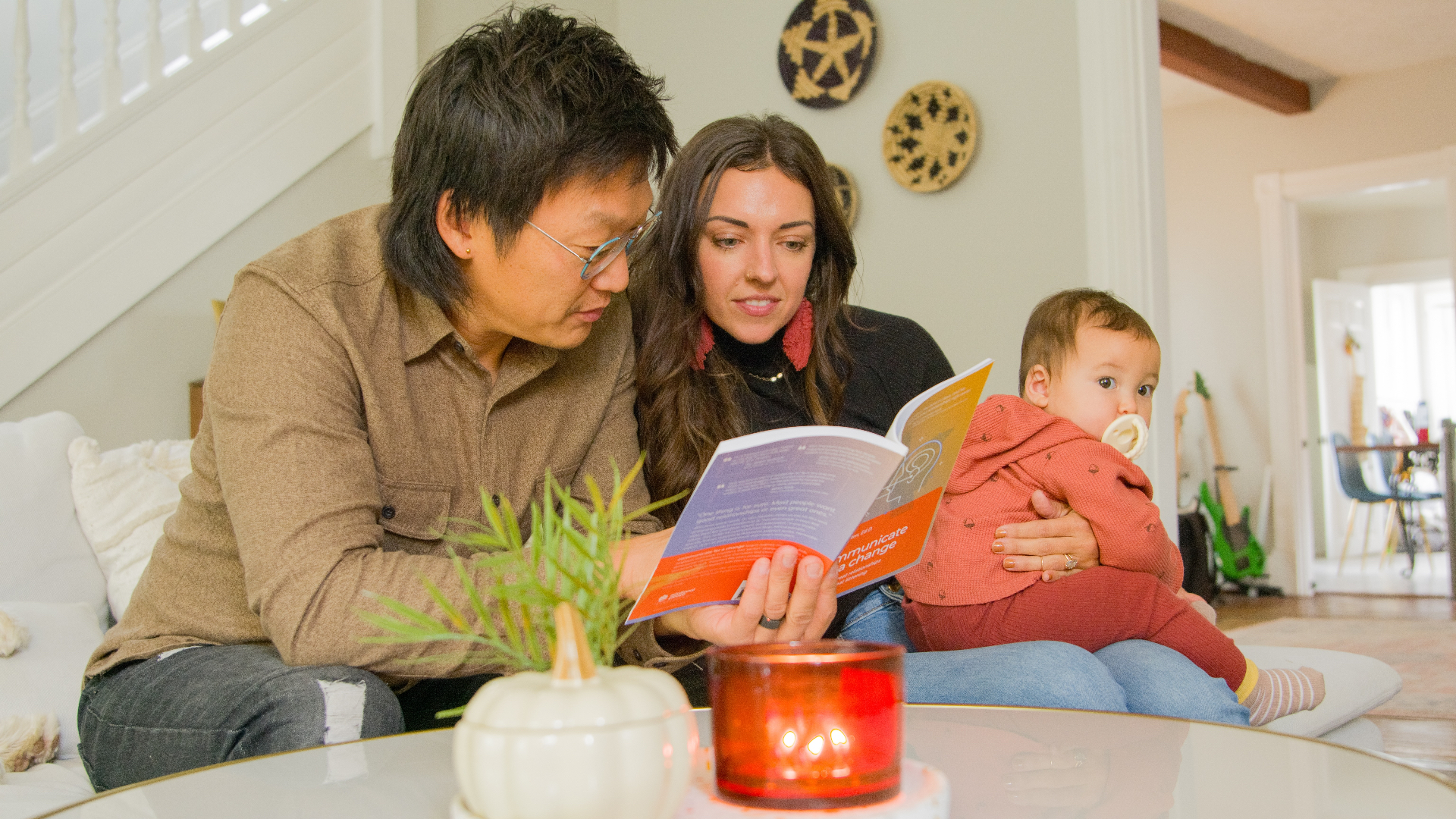
Most of life comes down to how we handle each other.
When people don't have real relational skills, things fall apart in familiar ways — at home, at school, at work, and in our communities.
→Feelings take over
→Trust breaks down
→Small arguments blow up
→Teams stop working together
→People get stuck and can't move forward
What makes this different?
The Shift
We're not selling a class. We're helping you become a different kind of person.
Most programs treat you like a bucket to pour facts into. We treat you like a whole person who grows through practice, honest reflection, and real relationships.
The old way
What most programs do
- Focus: Passing on information
- How: Lectures and workbooks
- Main question: “How do we teach more?”
- Result: Stuff you forget
The Relational Peace way
What we do instead
- Focus: Real change in people
- How: Practice with real people
- Main question: “How do we grow healthier people?”
- Result: A new way of being you
Focus
Passing on information
Real change in people
How
Lectures and workbooks
Practice with real people
Main question
How do we teach more?
How do we grow healthier people?
Result
Stuff you forget
A new way of being you
How does it fit together?
The Framework
Three simple parts that build on each other.
REST helps you stay steady on the inside. GREW helps you connect well with other people. DREAMS makes sure the new habits actually stick.
Part 1
REST
Staying steady inside yourself. Learning to handle your own feelings so you can show up well for other people.
Part 2
GREW
Connecting well with others. Four habits that build trust and real friendship.
Part 3
DREAMS
Making it stick. The mix of learning, practice, and support that turns skills into lasting habits.
How do we stay steady inside?
REST
Learn to lead yourself before you try to lead a conversation.
REST is a four-step habit you can use anytime you feel stressed, angry, or shut down. It helps you notice what's happening inside so you can choose how to respond.
Recognize
Notice what you're feeling and what set it off.
Evaluate
Take a step back and look at what's really going on.
Shift
Calm your body and mind before you react.
Take Action
Choose a response that fits who you want to be.
How do we treat other people?
GREW
Four habits that make people feel safe with you.
GREW is how you show up for the people around you. When you practice these four things, trust grows and real friendship becomes possible.
Genuineness
Be real. Drop the mask.
Respect
Treat the other person like they matter, because they do.
Empathy
Try to understand how the other person actually feels.
Warmth
Make people feel safe and welcome around you.
How do new habits stick?
DREAMS
Six pieces that turn a good idea into a real habit.
Reading about a skill isn't enough to change you. DREAMS is the mix of learning, trying, feedback, and support that helps new ways of relating actually stick.
Didactic
Learn the idea.
Reflection
Think it over.
Experience
Try it in real life.
Assessment
Check how it's going.
Modeling
Watch someone do it well.
Spiritual Integration
Connect it to what matters most to you.
Put it all together
Change that lasts
When you get all six pieces, new ways of relating stop feeling awkward and start feeling normal.
What does practice look like?
How It Works
Practice is the whole point.
You don't just listen to ideas. You get in small groups and do "relational reps." Just like lifting weights builds muscle, doing reps with real people builds who you are.
The setup
Groups of three
Every practice session has three people, each with a job:
- Sharer — shares a real story
- Listener — listens without fixing
- Observer — watches and gives feedback
One rep
Three simple rounds
Listen and reflect.
One person shares. Another really listens.
Get feedback, try again.
A coach or friend gives tips. You try it again.
Repeat until it sticks.
The more you practice, the more it becomes normal.
What changes?
The Outcome
You end up different. In a good way.
The goal isn't to know more stuff. It's to actually become someone who handles life and people better than you did before.
Reacting fast
Thinking first
Ruled by feelings
Steady with feelings
Waiting on others
Owning your choices
Avoiding conflict
Handling conflict well
Knowing about it
Living it out
Just info
Real change
Ways to keep practicing
This isn't just a class you take once. It's a whole set of ways to keep growing — on your own, with a small group, or with your whole school, team, or church.
The people behind it
Relational Peace is shaped by people who are practicing this work themselves — in their families, friendships, and daily lives.
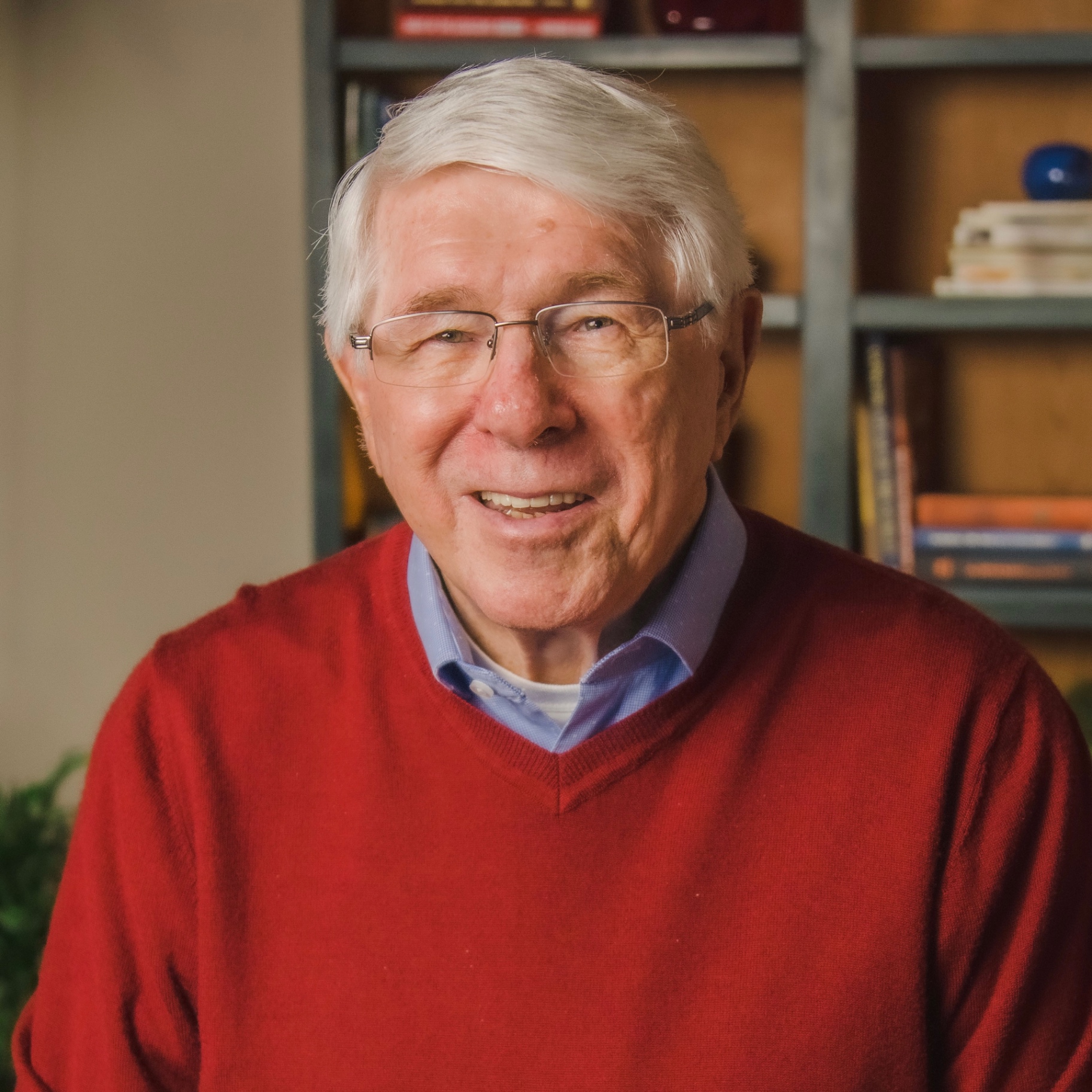
Dr. Gary Sweeten
Founder / Executive Director
Executive Director Dr. Gary Sweeten founded Sweeten Life Systems in 1994 and Relational Peace in 2023. Gary developed a theory and skills for equipping Peer Helpers in churches and schools, implemented in local, national, and international organizations in some 100 nations. He also led a Clinical Counseling Center from 1989 to 2021, and his publications include books and videos on listening, renewed thinking, theology and psychology, healing, and family life. He has received The Health Care Leadership Award in Ohio twice and Teacher of the Year for his service in Singapore. His formal education includes an AA from Rend Lake College, a BS and MS from Southern Illinois University, and an Ed.D. from the University of Cincinnati.
Ron Peake
Vice President
Ron is the founder and President of Agape Ministries, Inc. and Vice-President of Sweeten Life Systems. He pastored Agape Fellowship Church for 35 years, has planted churches, and done mission work in South America, Africa, and Europe. He presently works with churches and coaches pastors and business leaders.
Janet Davis
Curriculum Developer and System Designer
Janet brings her love of curriculum design and background in training, education, and project management to Relational Peace. Previously a Program Manager for Adobe Systems in partnership with the Bay Area Video Coalition, Resource Area for Teachers, and the Krause Center for Innovation, she was chosen by Adobe from a worldwide pool to be an Adobe Education Leader, running trainings for over 5,000 educators annually. She has designed and animated websites for NASA Ames Research Center, taught at the local community college, and began her career as a kindergarten and first-grade bilingual educator.
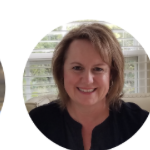
Andrea Bowsher
Operations Director
Andrea has a strong passion for helping others and has dedicated her professional and volunteer career to creating social change. She excelled in volunteer management, receiving recognition for her work with abused women and their children. While raising her children, she served as a children's ministry director, church administrator, and event committee chair. Returning to the workforce, Andrea coordinated a research study on children with special needs and went on to contribute to the development of FamilyEQ and Relationalpeace.org.

Pete McIndoe
External Partnership Lead
Pete spent 26 years at Procter & Gamble in Cincinnati, with the final 11 years in Brand Management and Marketing. After a short stint at Luxottica/LensCrafters, he relocated to Arkansas to serve as Chief Marketing Officer for the international ministry FamilyLife. He and his wife Debbie later owned and operated an in-home caregiving franchise, Home Helpers, before being called to help launch Relational Peace. Pete currently works part-time with Relational Peace and part-time with a Little Rock-based marketing agency.
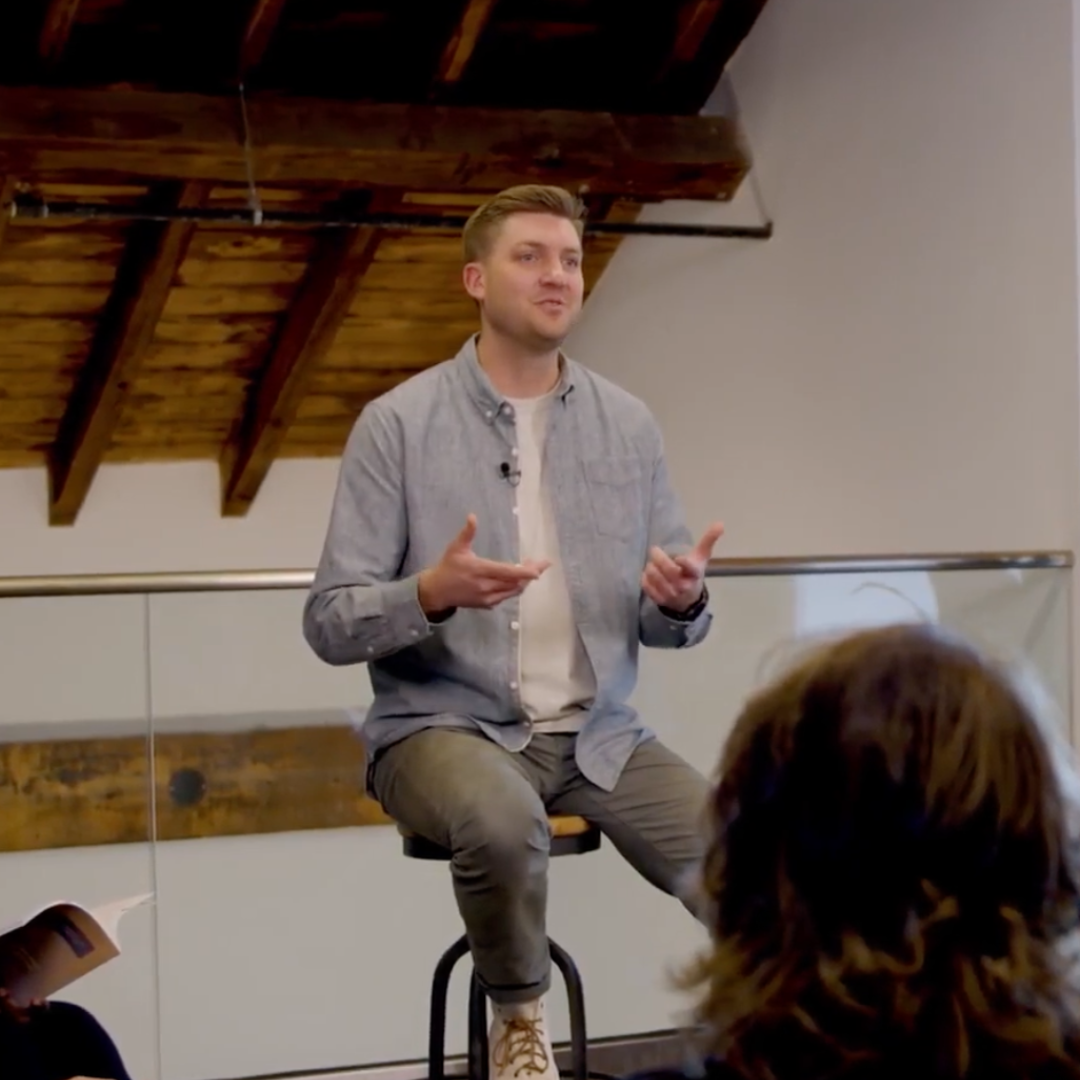
Greg Mathews
Curriculum Developer & Creative Director
After several years as a production and communications director at SouthBrook Church, Greg pursued a master's degree in Counseling. During his program, he joined the Relational Peace team, using his skills in video production, web design, and communications to begin turning Gary Sweeten's extensive material into an online educational platform. Greg's heart lies in helping people discover the beautiful and complex landscape of their inner lives. He brings a perspective drawn from a Masters in Counseling, training in the Enneagram, clinical counseling work, and curriculum development in the emotional and mental health space.
Ready to practice?
Take a look at the programs and find a place to begin.